HyperCare in software rollouts: what it is and why your post-launch plan needs it
Launching a new software system is a significant milestone, but the work does not stop when the system goes live. The days and weeks that follow a rollout are often the most critical, and without a structured support plan in place, even well-built systems can struggle to gain user confidence and adoption.
HyperCare in software rollouts refers to the intensive, dedicated support phase that begins immediately after go-live. It is designed to catch issues early, guide users through the transition, and protect the organization from the kind of disruption that can undermine an otherwise successful implementation. Teams that skip this phase often pay for it later.
In this article, we will break down what HyperCare in software actually involves, why it matters so much in the post-launch period, and how a structured approach to it can make the difference between a smooth adoption and a costly recovery effort.
What HyperCare in Software Involves During the Post-Launch Phase
HyperCare is not simply extended helpdesk coverage. It is a focused, time-bound support model built around the specific vulnerabilities that appear in the first weeks after a software rollout.
1. Dedicated Support Staffing
During HyperCare, experienced team members are assigned exclusively to post-launch support, ensuring that issues are resolved by people who understand the system deeply rather than being passed through a generic support queue.
2. Accelerated Issue Resolution
Response times are significantly shorter than standard support arrangements, with critical issues escalated and addressed within hours rather than days, minimizing the impact on business operations.
3. Real-Time System Monitoring
The system is watched closely for performance anomalies, error spikes, and unexpected behavior so that technical problems are caught and resolved before users are widely affected.
4. User Confidence Building
Support teams are available to walk users through unfamiliar workflows, answer questions in the moment, and reduce the friction that often causes people to resist or work around new systems.
5. Structured Feedback Collection
HyperCare creates a formal channel for users to report confusion, gaps, and usability issues, giving the project team actionable input to improve the experience quickly and systematically.
6. Escalation Path Clarity
Every team member knows exactly who handles what type of issue during this phase, which removes confusion and ensures that nothing falls through the cracks during a period when stakes are high.
7. Training Gap Identification
As users interact with the system in real conditions, HyperCare teams identify where training did not land well and provide targeted follow-up sessions to close those gaps before habits form around workarounds.
8. Documentation Updates
Lessons learned during the HyperCare period are captured and used to update user guides, FAQs, and process documentation, strengthening the support resources available once the intensive phase ends.
Why Every Post-Launch Plan Needs a Formal HyperCare Strategy
Organizations that treat go-live as the finish line often find themselves managing avoidable crises weeks later. A formal HyperCare in software strategy turns the post-launch period from a vulnerability into a controlled and productive transition.
1. Risk Reduction at the Most Vulnerable Moment
The period immediately after launch carries the highest concentration of unknown issues. HyperCare ensures that risks emerging in this window are met with a prepared and resourced response.
2. Adoption Rate Protection
When users encounter problems and cannot get fast answers, they lose trust in the new system quickly. Consistent HyperCare support keeps adoption on track by making the experience feel managed and supported.
3. Business Continuity Assurance
Critical business processes running on a new system cannot afford prolonged downtime. HyperCare keeps response times tight and ensures that operations continue without significant interruption during the adjustment period.
4. Stakeholder Confidence
Executives and sponsors who championed the rollout need to see that the transition is being handled well. Visible, organized HyperCare demonstrates that the team is in control and the investment is being protected.
5. Faster Time to Stability
Systems that go through a proper HyperCare phase reach operational stability significantly faster than those that move straight to standard support, reducing the total cost and duration of the transition period.
6. Issue Pattern Recognition
Recurring problems that surface during HyperCare often point to deeper configuration or design issues. Identifying these early prevents them from becoming long-term pain points embedded in daily workflows.
Is Your Post-Launch Plan Strong Enough to Protect Your Rollout?
A software rollout without a proper HyperCare strategy leaves the organization exposed at exactly the moment when support matters most. HyperCare in software implementations is what separates a confident, controlled go-live from one that relies on luck and overtime to survive the first few weeks after launch.
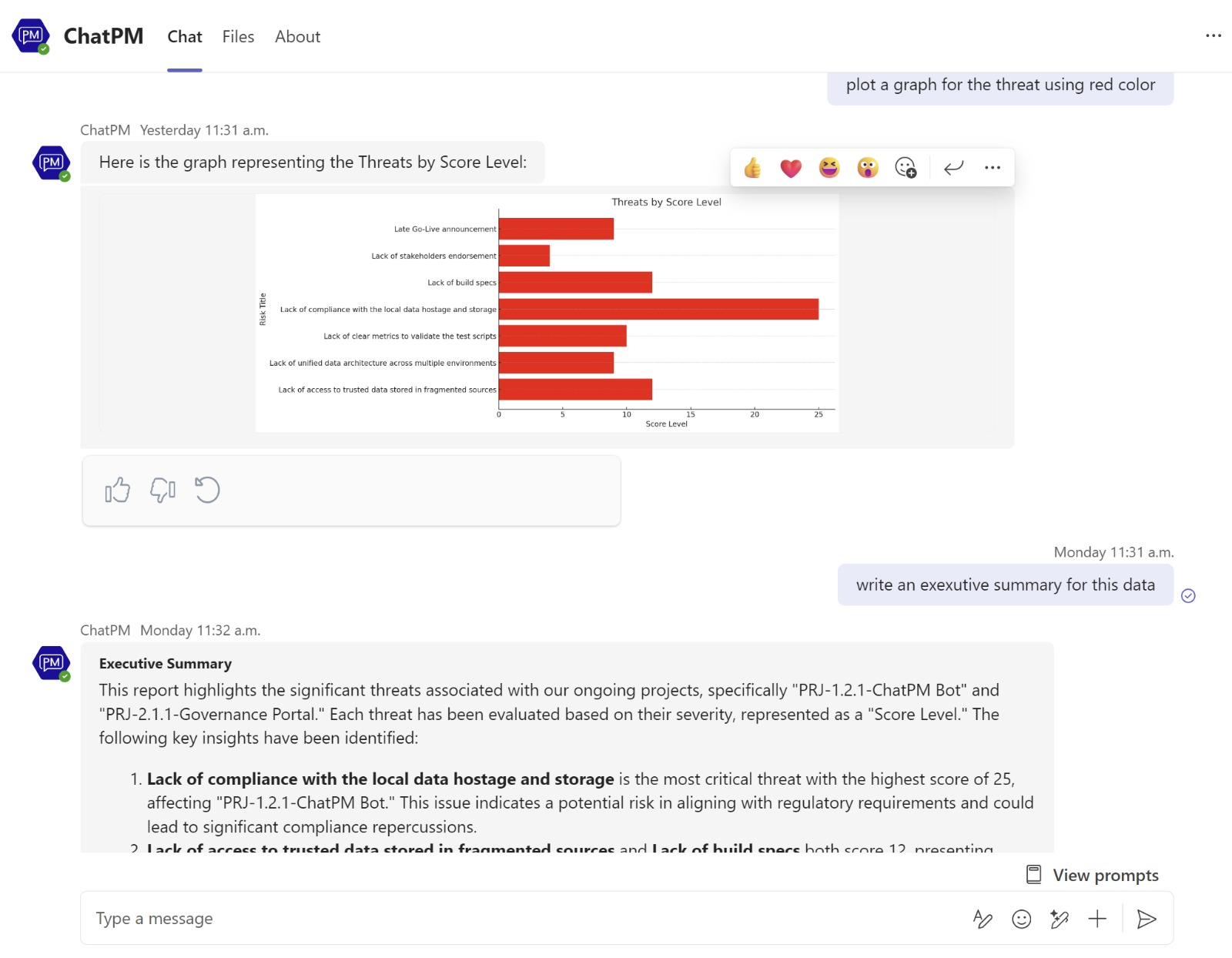
ChatPM is built to support exactly this kind of structured delivery. With tools designed for post-launch tracking, issue management, and stakeholder communication, ChatPM helps project teams run HyperCare phases that are organized, visible, and effective. If your next rollout deserves a stronger landing, ChatPM is where your plan comes together.

Comments
Post a Comment